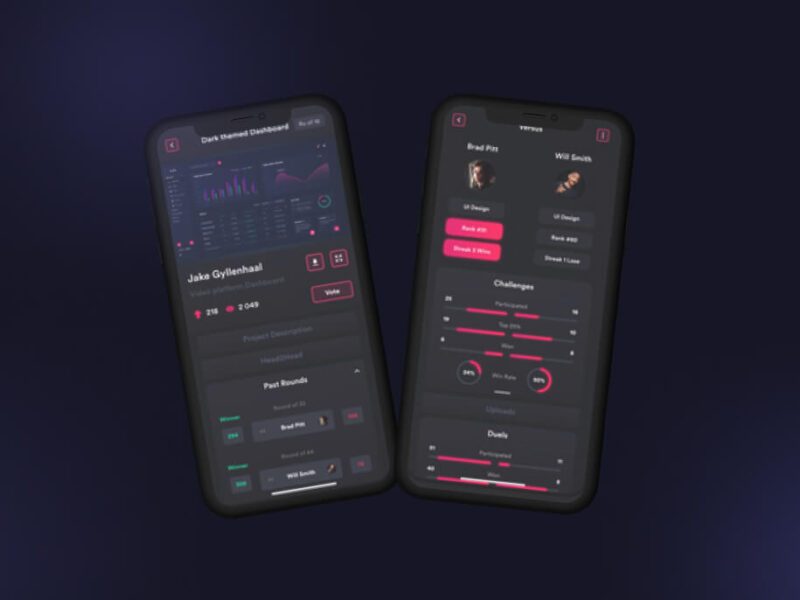
NFT Dashboard Application Development.
Through a wide variety of mobile applications, we’ve developed a unique visual system.
- Client George Wallace
- Date 15 June 2022
- Services Web Application
- Budget $100000+
I am an innovation enthusiast, gold medalist public servant (Senior ICT Executive) with over 16 years of experience. My career has been dedicated to designing and implementing cutting-edge solutions that enhance efficiency and foster digital transformation. My expertise spans Cyber Security (IS Audit, VAPT, Forensic, Offensive Security), software design & development, Server Management, Database Administration, network infrastructure, and digital transformation, helping organizations optimize their technology landscapes.
I throw myself down among the tall grass by the stream as Ilie close to the earth.
We’ll handle everything from to app development process until it is time to make your project live.
We’ll help you optimize your business processes to maximize profitability and eliminate unnecessary costs.
Using our expertise in mobile application development to create beautiful pixel-perfect designs.
Your website ranking matters. Our SEO services will help you get to the top of the ranks and stay there!
A UX consultant is responsible for many of the same tasks as a UX designer, but they typically.
Through a wide variety of mobile applications, we’ve developed a unique visual system.
There are always some stocks, which illusively scale lofty heights in a given time period. However, the good show doesn’t last for these overblown toxic stocks as their current price is not justified by their fundamental strength.
A strategy is a general plan to achieve one or more long-term. labore et dolore magna aliqua.
UI/UX Design, Art Direction, A design is a plan or specification for art. which illusively scale lofty heights.
User experience (UX) design is the process design teams use to create products that provide.
Toxic companies are usually characterized by huge debt loads and are vulnerable to external shocks. Accurately identifying such bloated stocks and getting rid of them at the right time can protect your portfolio.
Overpricing of these toxic stocks can be attributed to either an irrational enthusiasm surrounding them or some serious fundamental drawbacks. If you own such bubble stocks for an inordinate period of time, you are bound to see a massive erosion of wealth.


However, if you can precisely spot such toxic stocks, you may gain by resorting to an investing strategy called short selling. This strategy allows one to sell a stock first and then buy it when the price falls.
While short selling excels in bear markets, it typically loses money in bull markets.
So, just like identifying stocks with growth potential, pinpointing toxic stocks and offloading them at the right time is crucial to guard one’s portfolio from big losses or make profits by short selling them. Heska Corporation HSKA, Tandem Diabetes Care, Inc. TNDM, Credit Suisse Group CS,Zalando SE ZLNDY and Las Vegas Sands LVS are a few such toxic stocks.Screening Criteria
Here is a winning strategy that will help you to identify overhyped toxic stocks:
Most recent Debt/Equity Ratio greater than the median industry average: High debt/equity ratio implies high leverage. High leverage indicates a huge level of repayment that the company has to make in connection with the debt amount.
Through a wide variety of mobile applications, we’ve developed a unique visual system and strategy that can be applied across the spectrum of available applications.
Most recent Debt/Equity Ratio greater than the median industry average: High debt/equity ratio implies high leverage. High leverage indicates a huge level of repayment that the company has to make in connection with the debt amount.
Through a wide variety of mobile applications, we’ve developed a unique visual system and strategy that can be applied across the spectrum of available applications.
A strategy is a general plan to achieve one or more long-term.
UI/UX Design, Art Direction, A design is a plan or specification for art.
Lorem ipsum dolor sit amet, consectetur adipiscing elit, sed do eiusmod tempor incididunt ut labore et dolore magna aliqua. Quis ipsum suspendisse ultrices gravida. Risus commod viverra maecenas accumsan lacus vel facilisis. ut labore et dolore magna aliqua.


There are always some stocks, which illusively scale lofty heights in a given time period. However, the good show doesn’t last for these overblown toxic stocks as their current price is not justified by their fundamental strength.
Toxic companies are usually characterized by huge debt loads and are vulnerable to external shocks. Accurately identifying such bloated stocks and getting rid of them at the right time can protect your portfolio.
Overpricing of these toxic stocks can be attributed to either an irrational enthusiasm surrounding them or some serious fundamental drawbacks. If you own such bubble stocks for an inordinate period of time, you are bound to see a massive erosion of wealth.
However, if you can precisely spot such toxic stocks, you may gain by resorting to an investing strategy called short selling. This strategy allows one to sell a stock first and then buy it when the price falls.
While short selling excels in bear markets, it typically loses money in bull markets.
So, just like identifying stocks with growth potential, pinpointing toxic stocks and offloading them at the right time is crucial to guard one’s portfolio from big losses or make profits by short selling them. Heska Corporation HSKA, Tandem Diabetes Care, Inc. TNDM, Credit Suisse Group CS,Zalando SE ZLNDY and Las Vegas Sands LVS are a few such toxic stocks.Screening Criteria
Here is a winning strategy that will help you to identify overhyped toxic stocks:

Most recent Debt/Equity Ratio greater than the median industry average: High debt/equity ratio implies high leverage. High leverage indicates a huge level of repayment that the company has to make in connection with the debt amount.
Through a wide variety of mobile applications, we’ve developed a unique visual system and strategy that can be applied across the spectrum of available applications.
A strategy is a general plan to achieve one or more long-term.
UI/UX Design, Art Direction, A design is a plan or specification for art.
Lorem ipsum dolor sit amet, consectetur adipiscing elit, sed do eiusmod tempor incididunt ut labore et dolore magna aliqua. Quis ipsum suspendisse ultrices gravida. Risus commod viverra maecenas accumsan lacus vel facilisis. ut labore et dolore magna aliqua.
There are always some stocks, which illusively scale lofty heights in a given time period. However, the good show doesn’t last for these overblown toxic stocks as their current price is not justified by their fundamental strength.
Toxic companies are usually characterized by huge debt loads and are vulnerable to external shocks. Accurately identifying such bloated stocks and getting rid of them at the right time can protect your portfolio.


Overpricing of these toxic stocks can be attributed to either an irrational enthusiasm surrounding them or some serious fundamental drawbacks. If you own such bubble stocks for an inordinate period of time, you are bound to see a massive erosion of wealth.
However, if you can precisely spot such toxic stocks, you may gain by resorting to an investing strategy called short selling. This strategy allows one to sell a stock first and then buy it when the price falls.
While short selling excels in bear markets, it typically loses money in bull markets.
So, just like identifying stocks with growth potential, pinpointing toxic stocks and offloading them at the right time is crucial to guard one’s portfolio from big losses or make profits by short selling them. Heska Corporation HSKA, Tandem Diabetes Care, Inc. TNDM, Credit Suisse Group CS,Zalando SE ZLNDY and Las Vegas Sands LVS are a few such toxic stocks.Screening Criteria
Here is a winning strategy that will help you to identify overhyped toxic stocks:

Most recent Debt/Equity Ratio greater than the median industry average: High debt/equity ratio implies high leverage. High leverage indicates a huge level of repayment that the company has to make in connection with the debt amount.
The training provided by universities in order to prepare people to work in various sectors of the economy or areas of culture.
Higher education is tertiary education leading to award of an academic degree. Higher education, also called post-secondary education.
Secondary education or post-primary education covers two phases on the International Standard Classification of Education scale.
Google’s hiring process is an important part of our culture. Googlers care deeply about their teams and the people who make them up.
A popular destination with a growing number of highly qualified homegrown graduates, it's true that securing a role in Malaysia isn't easy.
The India economy has grown strongly over recent years, having transformed itself from a producer and innovation-based economy.
Google’s hiring process is an important part of our culture. Googlers care deeply about their teams and the people who make them up.
A popular destination with a growing number of highly qualified homegrown graduates, it's true that securing a role in Malaysia isn't easy.
The India economy has grown strongly over recent years, having transformed itself from a producer and innovation-based economy.
The training provided by universities in order to prepare people to work in various sectors of the economy or areas of culture.
Higher education is tertiary education leading to award of an academic degree. Higher education, also called post-secondary education.
Secondary education or post-primary education covers two phases on the International Standard Classification of Education scale.
The education should be very interactual. Ut tincidunt est ac dolor aliquam sodales. Phasellus sed mauris hendrerit, laoreet sem in, lobortis mauris hendrerit ante.
Maecenas finibus nec sem ut imperdiet. Ut tincidunt est ac dolor aliquam sodales. Phasellus sed mauris hendrerit, laoreet sem in, lobortis mauris hendrerit ante. Ut tincidunt est ac dolor aliquam sodales phasellus smauris test
Maecenas finibus nec sem ut imperdiet. Ut tincidunt est ac dolor aliquam sodales. Phasellus sed mauris hendrerit, laoreet sem in, lobortis mauris hendrerit ante. Ut tincidunt est ac dolor aliquam sodales phasellus smauris
All the Lorem Ipsum generators on the Internet tend to repeat predefined chunks as necessary
1 Page with Elementor
Design Customization
Responsive Design
Content Upload
Design Customization
2 Plugins/Extensions
Multipage Elementor
Design Figma
MAintaine Design
Content Upload
Design With XD
8 Plugins/Extensions
All the Lorem Ipsum generators on the Internet tend to repeat predefined chunks as necessary
5 Page with Elementor
Design Customization
Responsive Design
Content Upload
Design Customization
5 Plugins/Extensions
Multipage Elementor
Design Figma
MAintaine Design
Content Upload
Design With XD
50 Plugins/Extensions
All the Lorem Ipsum generators on the Internet tend to repeat predefined chunks as necessary
10 Page with Elementor
Design Customization
Responsive Design
Content Upload
Design Customization
20 Plugins/Extensions
Multipage Elementor
Design Figma
MAintaine Design
Content Upload
Design With XD
100 Plugins/Extensions
Look, here’s the thing — when a casino announces a Malta licence, a lot of Aussie punters scratch their heads and wonder what it actually changes for someone logging on from Melbourne or Perth; this guide gives you the practical rundown you can use right now. The aim is to cut the waffle, explain how licensing affects safety and deposits (think POLi and PayID), and show how self‑exclusion works for players across Australia so you can make a fair dinkum choice. Read on and you’ll get a quick checklist up front, examples in A$ figures, and a short comparison table to speed your decision-making.
Short version: a Malta licence means the operator meets EU regulatory checks, but it does not replace Australian law or give local licensing protections from VGCCC or ACMA; that distinction matters if you want locally enforceable consumer protections. That gap between Malta oversight and Australian regulation shapes everything from complaint routes to what happens with a disputed withdrawal, so keep reading to see the practical steps to reduce risk. Next, we’ll unpack what those differences mean for deposits, withdrawals and your player rights.

If you’re based Down Under, you want fast, trusted ways to move cash and you’ll notice local favourites appear front and centre — POLi, PayID and BPAY — because they’re instant or near‑instant and integrate with the big banks like CommBank and NAB. For example, a typical deposit could be A$20 to try a new pokie, A$50 for a few spins after work, or A$500 if you’re testing VIP perks, and using POLi/PayID usually gets deposits cleared by the time you’ve had an arvo cuppa. Since many Aussie bank cards block gambling merchants, having PayID or BPAY as a backup keeps you in the game without faffing about, and that’s important when withdrawals are the next headache to address.
Here’s what bugs me — a Malta licence gives you a regulated complaint channel in Europe and often solid AML/KYC practices, but it won’t enroll the operator under Australian regulators like ACMA or the Victorian Gambling and Casino Control Commission (VGCCC). That means if you have a withdrawal dispute, you’ll generally chase resolution through the operator’s European dispute scheme rather than an Australian authority, which can slow things and change the legal leverage you have. Because of that, the next section shows mitigation tactics — picking safer payment rails and keeping crisp records — which help when you escalate an issue overseas.
Not gonna sugarcoat it — self‑exclusion is messy when the operator is licensed offshore but you live in Australia, because the national register BetStop only forces Australian licensed bookmakers to act. For an operator with a Malta licence the tools are usually present (deposit limits, cool‑offs, account closures), but they’re voluntary unless the operator also holds an Australian licence or agrees to coordinate with BetStop. So, if you need a hard block across all sites, register with BetStop and then use the operator’s in‑site self‑exclusion tools as a belt‑and‑braces approach — we’ll show exact steps below to make this practical rather than theoretical.
Aussie punters love pokies that feel like the RSL floor — think Aristocrat staples and crowd favourites: Lightning Link, Queen of the Nile, Big Red, Sweet Bonanza, and Wolf Treasure — and those games often have identifiable RTP ranges you can check before you spin. RTPs typically sit in the mid‑90s on these titles; for instance, aiming for a 96%+ pokie is sensible if you want marginally better long‑run returns, and that choice affects wagering requirement math on bonuses which we cover shortly. Since game mix influences bonus value and session variance, the next section looks at bonus maths and common traps.
Real talk: a 200% welcome match looks ace until you crunch the numbers — if the site slaps a 40× wagering requirement on (common), and the operator counts your deposit plus bonus in the WR, a A$100 deposit with A$200 bonus means (A$100 + A$200) × 40 = A$12,000 wagering requirement before you can cash out, so don’t be blind to the fine print. That calculation shows why many punters ignore the shiny match and concentrate on low‑WR free spins or cashback offers; next I’ll give you a checklist to value bonuses properly and avoid getting stung by bet caps or excluded games.
| Licence | Player protections (AU view) | Payment comfort | Complaint route |
|---|---|---|---|
| VGCCC / State licence (e.g., Crown Victoria) | High — local enforcement, self‑exclusion coordination | Full local rails (POLi/PayID) often supported | Local regulator + courts |
| Malta licence (MGA) | Good — EU oversight but not local AU enforcement | Often accepts POLi/PayID but check T&Cs | European dispute scheme; slower for AU punters |
| Unlicensed / Offshore no‑reg | Low — high risk | Crypto or risky card channels | Limited — rely on operator goodwill |
That table should help you rank options based on how much local protection you need, and the next section shows two small real cases to illustrate how these differences play out in practice.
Case 1 — The cautious punter: Jane deposits A$50 via PayID, takes 30 free spins on a 96% pokie, and sets a daily loss cap of A$20; when she wins A$350 she requests a withdrawal and passes KYC in 24 hours because she kept receipts and used her bank ID — result: smooth cash out. This shows the virtue of small, tracked moves and local payments, and you’ll see why record‑keeping matters in the next example.
Case 2 — The unlucky punter: Tom deposits A$500 using a credit card that gets blocked later; the operator requires alternative proof and a longer AML check, and a dispute lands in the operator’s Malta dispute team which takes weeks to resolve — the lesson is to prefer POLi/PayID and keep KYC tidy to avoid cross‑jurisdiction slowdowns, which we’ll now cover in a practical checklist you can use immediately.
Follow that checklist and you’ll cut many common headaches — the next section lists common mistakes and fixes so you don’t repeat other punters’ errors.
That list covers the typical traps; next, I’ll answer a few short FAQs Aussie punters ask first.
You’re not committing a crime by playing, but Australian law (Interactive Gambling Act & ACMA) stops operators offering online casino services to Australians if they hold certain local restrictions; in short, the player isn’t criminalised but the operator’s local obligations may differ, so check geo‑blocking and disclaimers before you sign up.
BetStop primarily works with Australian licensed bookmakers; offshore operators may not integrate automatically, so use BetStop as the baseline and activate the operator’s internal self‑exclusion tools too for layered protection.
E‑wallets (Skrill, Neteller) and PayID usually clear fastest for Aussies; bank transfers can take 1–3 business days depending on the site and bank, so plan withdrawal timing around that reality.
For Aussies wanting to try a new site that pitches itself as Aussie‑friendly, it’s worth looking at operator pages directly; for instance, many players reference crownmelbourne when comparing promos and payment options because it lists local payments and clear RG tools, which helps in your mid‑choice checks. This recommendation is practical — always run the checklist above before you deposit.
Also, if you prefer another comparison point that shows how MGA oversight looks alongside self‑exclusion options, check operator terms and look for published audit statements or third‑party test certificates; one place many players glance at is crownmelbourne where the payments and responsible gaming sections are fairly explicit and useful for Australian punters doing due diligence. After you read those, the final block below gives local help lines and author notes so you can act responsibly and sensibly.
18+ only. Gamble responsibly — set limits, don’t chase losses, and seek help if gambling stops being fun; Australian resources include Gambling Help Online (1800 858 858, gamblinghelponline.org.au) and the BetStop self‑exclusion register (betstop.gov.au). If you’re unsure, pause and use BetStop and site‑level cool‑offs first before next play.
I’m an Australian‑based gambling analyst with years of experience testing payment rails, KYC flows and promotional math on both licensed and offshore sites; I write practical, no‑nonsense guides for Aussie punters and focus on making complicated legal and payments issues usable for everyday players. If you want more local comparisons, drop a note — I’ll share a short list of operators that support POLi/PayID and publish clear RTP information for pokies like Lightning Link and Queen of the Nile.
Gidday — quick one for Kiwi punters: this guide cuts the waffle and shows how to pick high-RTP pokies and how Speed Baccarat works, right here in New Zealand. If you want practical numbers, local payment tips and a few insider moves that actually matter, you’re in the right place — and I’ll show what to check before you punt. Read on for examples and a quick checklist to get you started without mucking around.

Look, here’s the thing: RTP (return-to-player) is the long-run average payout — a NZ$100 session on a 97% RTP pokie statistically returns NZ$97 over a very large sample, but short-term variance can blow that apart. That said, choosing 96–98% RTP pokies reduces your expected house edge and stretches your play, which is handy if you’re chasing fun not tears. Next, we’ll translate RTP into simple bet sizing so you can use it at the reels without doing a PhD in maths.
Not gonna lie — many punters obsess over tiny RTP differences without adjusting their stakes, and that’s where the value disappears. A simple rule: if you have a NZ$200 session, set max loss tolerance (say NZ$100) and pick a bet size that gives you 100–300 spins at your chosen RTP; for example, NZ$0.50 spins = 400 spins and NZ$1.00 spins = 200 spins, which changes volatility exposure a lot. This feeds straight into bankroll control and whether you’ll feel sweet as or on tilt, so keep reading to see a worked example with a popular Kiwi favourite.
In Aotearoa the classics and modern hits are both played — Book of Dead, Starburst, Mega Moolah (jackpot thrill), Thunderstruck II and Lightning Link are all household names. Each has different RTP and volatility, so pick Book of Dead or Starburst for higher base RTP and Mega Moolah only if you want the jackpot shot. The next paragraph shows a quick example of RTP math on Book of Dead so you can see what it means in NZ$ terms.
Example: Book of Dead at 96.21% RTP on a NZ$1 bet gives expected loss per spin of NZ$0.0379, so over 500 spins expect to lose ~NZ$18.95 on average — frustrating, maybe, but manageable if you budgeted for it. If you flipped that to a NZ$2 bet, your expected loss doubles to ~NZ$37.90 over the same spin count, which gets risky fast. This simple conversion from RTP to NZ$ makes bet sizing obvious, and the next part compares slots to Speed Baccarat where volatility dynamics shift again.
Speed Baccarat is like regular baccarat but quicker: fewer pauses between rounds, pre-shuffled shoe rotations and condensed dealing speed so you get about 60–100 hands per hour depending on limits. The core bets remain the same — Banker (house commission usually 5% on Banker wins), Player, and Tie — and knowing the small edge differences (Banker ~1.06% house edge after commission, Player ~1.24%, Tie huge house edge) guides smart punting. Next I’ll break down commission and how it affects EV on a NZ$100 session.
EV quick calc: bet NZ$10 per hand on Banker for 10 hands; expected loss ≈ NZ$10 × 10 × 0.0106 = NZ$1.06. Tiny, right? But if you go larger or chase patterns you’ll feel variance. Also, Speed Baccarat’s quick rhythm makes tilt common — so bankroll rules and session timers help avoid dumb mistakes, which I detail in the common mistakes section below.
Real talk: New Zealand’s Gambling Act 2003 means remote operators aren’t allowed to be based inside NZ, but Kiwi players can legally play offshore sites. The Department of Internal Affairs (DIA) and the Gambling Commission oversee the regulatory scene and recent moves toward a licensing model are underway, so always check whether a site displays clear audit certificates and KYC/AML practice. This matters for payouts and dispute resolution, and the next paragraph explains payment choices that keep your money safe and quick in NZ$.
For Kiwi crypto users and local banking, POLi and bank transfer are staples for instant, NZ$ deposits without card fees, while Visa/Mastercard remain widely supported. E-wallets like Skrill/Neteller are fast for withdrawals and keep your card details private, and Paysafecard is handy for anonymous deposits though it’s deposit-only. Crypto is growing and gives fast withdrawals on some sites, but KYC still applies. Read on for a compact comparison table of speed, fees and local convenience so you can pick what fits your needs.
| Method | Speed (Deposit/Withdrawal) | Typical Fee | Local Notes (NZ) |
|---|---|---|---|
| POLi | Instant / 1–3 days | Usually 0% | Direct NZ bank link; works with BNZ, ANZ, ASB — very popular in NZ |
| Bank Transfer | Instant / 2–5 days | Usually 0–1% | Trusty for Kiwis; slow on withdrawals but safe |
| Skrill/Neteller | Instant / 24–48h | 0–2% | Fast cashouts, good for frequent punters |
| Paysafecard | Instant / N/A | Voucher fee | Deposit-only; good for privacy |
| Crypto (BTC/ETH/USDT) | Minutes–hours / Minutes–hours | Network fees | Fast but check exchange/withdrawal flow and KYC |
If you want a platform set up with NZ$ support, local payments and a solid pokies library, all-slots-casino-new-zealand is an option that many Kiwi punters find choice because it lists NZD, supports POLi and shows audit info — but always confirm current terms before you deposit. Up next, I’ll share a hands-on mini-case about mixing high-RTP pokie sessions with a short Speed Baccarat stint so you can see trade-offs in practice.
Mini-case 1: You start with NZ$300. Allocate NZ$200 for pokie sessions (Book of Dead at NZ$1 spins) and NZ$100 for Speed Baccarat (NZ$10 bets on Banker for 8 hands). Using the RTP math earlier you get clearer expectations and smaller variance on the baccarat side, which makes your overall night more stable. This demonstrates balancing volatility across games, and the next section gives a second mini-case focussed on chasing jackpots like Mega Moolah.
Mini-case 2: Big-jackpot chase — with NZ$500 you might set NZ$400 to lower-volatility pokies (Starburst at NZ$0.50 spins) and NZ$100 to a single Mega Moolah run — this keeps most of your funds in play while giving a shot at headline wins. It’s tempting, sure, but remember the expected loss math from earlier — jackpots are emotional plays, not EV wins. Next, I’ll drop a Quick Checklist so you can act on this in 60 seconds.
These steps are short and practical, and the following section lists common mistakes I see around here so you don’t fall into the same traps.
Next I’ll answer the short FAQ most Kiwis ask when they’re starting with high-RTP pokies and Speed Baccarat.
Yeah, nah — New Zealanders can play offshore sites, but remote gambling operators cannot be established in NZ; check DIA/Gambling Commission notes and site audits before you sign up.
E-wallets like Skrill/Neteller usually clear fastest (24–48h); crypto can be instant depending on the site but watch network fees.
Target 96%+ if you want longer play per dollar, and keep bet sizes small to manage variance; Starburst and some Book-type games often sit in this region.
18+ only. Gambling should be fun — set limits, use self-exclusion if needed, and if things get out of hand call Gambling Helpline NZ on 0800 654 655 for confidential support; next I wrap up with a short local sign-off and source notes.
Not gonna sugarcoat it — gambling is risky, but if you set limits, prefer high-RTP pokies for longer sessions, and use reliable NZ payment rails like POLi or trusted e-wallets, you’ll have better nights and fewer dramas. Spark, One NZ and 2degrees all handle casino pages fine on mobile so you can spin on the ferry or at the dairy — but don’t play while driving home in your jandals, alright? For a NZ-focused platform with NZ$ support check out all-slots-casino-new-zealand if you want a starting point, then do your own quick checks on RTP and T&Cs before you deposit.
I’m a Kiwi who’s spent years testing pokies and live tables across NZ-friendly platforms — been on a few wins, more losses, and learned how to manage bankroll and pick games that give the best long-run value. This guide pulls local payment tips, regulator notes and straight-up practical maths into a short, usable format for punters from Auckland to the wop-wops.

Look, here’s the thing — if you’re a mobile-first Canuck who follows fantasy sports or bets a cheeky C$20 on a pool, the shifting regulatory landscape matters more than you think. This quick note explains what regulators charge operators, how those costs filter down to players, and what that means for apps you use on Rogers or Bell networks. Next, I’ll unpack concrete cost buckets and practical tips for staying safe on your phone.
Not gonna lie, compliance costs aren’t sexy, but they shape app features, deposit options, and whether a site accepts Interac e-Transfer or forces you to mess with crypto. When operators budget for AGCO / iGaming Ontario rules, you often get better KYC, safer payouts, and mobile UIs tuned for the 6ix and coast-to-coast users. Here’s how these costs break into meaningful player impacts and why that matters on your phone.
Operators face predictable buckets: licensing fees, auditing and testing, payment integration, legal and counsel, and responsible gaming tooling — each of which can change the product you see when you open an app on Telus or Rogers. Below I’ll give numbers and mini-cases so you can see the math behind what you tap on.
For operators targeting Ontario, iGaming Ontario (iGO) and the AGCO require application and annual fees. Expect a one-time onboarding cost in the range of C$50,000–C$250,000 depending on the scope, plus annual supervision fees around C$25,000–C$100,000. That may sound steep, and it is — but it often buys stronger dispute resolution mechanisms for players compared with grey-market choices. This leads into the next cost: audits and technical compliance.
RNG testing, penetration tests, and fraud-audit cycles are non-negotiable if a firm wants to be AGCO-compliant; plan on C$10,000–C$80,000 per year for a mid-sized supplier depending on third-party labs, plus occasional retests after major releases. These checks reduce rigging risk and are why you sometimes see an eCOGRA or lab badge on trusted sites — a trust premium that links to safer play behaviour in my experience, especially during big events like Canada Day or Boxing Day tournaments.
Integrating Interac e-Transfer, Interac Online, iDebit or Instadebit takes dev time and gateway fees — expect setup costs of C$5,000–C$30,000 and per-transaction fees that operators either eat or pass on. If Interac is enabled, deposits are usually instant and reliable at low cost, which is why many Canadian-friendly apps prefer it to credit-card rails that banks sometimes block. This matters because payment choices directly affect your deposits — and now we’ll compare options.
| Payment Option | Typical Setup Cost | Player Experience |
|---|---|---|
| Interac e-Transfer | C$5,000–C$20,000 | Instant, trusted, low fuss for Canadian bank users |
| iDebit / Instadebit | C$3,000–C$10,000 | Good alternative when Interac fails; acceptable fees |
| Cards (Visa/Mastercard) | C$2,000–C$8,000 | Easy, but some banks block gambling transactions |
| Crypto rails | C$10,000+ | Fast but grey-market perception; tax implications can be murky |
Short version: compliance increases operational costs, and some of that shows up as higher wagering limits, reduced bonus generosity, or limited withdrawal rails. For example, an app spending C$100,000/year on compliance may offer C$50 smaller welcome stacks or rely more on virtual rewards than cash incentives — which is why social-only offers persist for some providers and why you might see fewer sweepstakes on Boxing Day promotions.

If a business chooses iGO/AGCO licensing versus grey-market routes (Kahnawake-hosted or offshore MGA), its compliance structure changes dramatically. Regulated ops pay more up front but get legal certainty in provinces like Ontario; grey sites avoid some costs but raise risk for players who value refunds and formal dispute processes, especially during big NHL nights when the whole Leafs Nation is watching. Below’s a compact comparison table to make that concrete.
| Approach | Typical Annual Compliance Cost | Player Protections | Mobile UX Impact |
|---|---|---|---|
| Ontario-regulated (iGO/AGCO) | C$75,000–C$300,000 | High — KYC, AML, dispute resolution | Smoother, more features, Interac-ready |
| Grey-market (offshore) | C$10,000–C$80,000 | Variable — weaker local recourse | Often fast but riskier payments; crypto common |
Real case: a mid-sized fantasy operator decided to go iGO-compliant and added Interac plus a new KYC flow. They passed setup costs of roughly C$120,000 and saw a 10% drop in signups the first month but higher retention and fewer disputes after. Not gonna sugarcoat it — you might notice fewer flash bonuses but better support and smoother Interac refunds. This example previews advice on choosing apps, which comes next.
Here’s a quick checklist to use before you download or deposit on your phone — keep it simple and local-friendly so you don’t waste time:
Next I’ll flag common mistakes players make when assessing cost vs value.
Real talk: people chase big bonuses without checking rails or regulation. Here are the top three mistakes and fixes I’ve seen — learned that the hard way and passing it on so you don’t repeat it.
These mistakes connect to operator choices, and—and trust me—you’ll want the mini-FAQ next to clear up legal doubts.
Short answer: Fantasy and single-event sports betting are legal if licensed provincially (Bill C-218 changed things), and recreational wins are generally tax-free for players — they’re treated as windfalls by the CRA. If you’re a professional gambler, that’s a different story, but most mobile punters aren’t in that category. This leads straight to payment concerns below.
Yes — Interac is the gold standard for Canadians: fast, familiar, and low-fee. If an app lacks Interac and pushes crypto only, that’s a yellow flag especially if you’re in Ontario and want consumer protections. The next section gives a short checklist to evaluate that.
It gives robust KYC/AML protections, clearer dispute resolution avenues, and often better mobile UI investments since operators pay a premium to be regulated. That peace-of-mind can be worth reduced bonus size, in my experience, particularly when you’re depositing via local banks.
If you want a practical route, stick to operators that advertise AGCO/iGO coverage and list Interac e-Transfer in payments; those platforms usually invest in mobile stability for Rogers/Bell/Telus users and provide timely support when things go sideways. If you want to try a big social library for free while you research regulated real-money sites, consider well-known social platforms that clarify “no cashouts” up front. For a quick look at a social option and its mobile behaviour, check out high-5-casino for a Canadian-friendly snapshot of slots and app experience.
Now, a final practical tip and wrap-up before sources and author info.
Alright, so my gut: pay a little attention to the compliance signals — AGCO, Interac, clear KYC — and you’ll avoid most pain. If an app’s costs push them to skimp on customer support, that shows up in slow payouts and unresolved disputes. If you prefer a big play-for-fun library to test patterns or practice bankroll control, social sites can be fine; if you want real-money regs and dispute remedies, choose licensed Ontario options and expect slightly higher overheads reflected in bonuses. And if you want another quick look at a social option with good mobile polish, take a peek at high-5-casino for context on mobile UX and game selection.
18+ only. Gambling should be fun — set deposit limits, use self-exclusion if you need it, and contact ConnexOntario at 1-866-531-2600 or visit PlaySmart/ GameSense if you need help. This guide is informational and not legal advice.
I’m a Toronto-based mobile gaming analyst with years of experience testing fantasy sports and casino apps coast to coast. I write in plain language for Canucks who want to understand the practical side of compliance costs and mobile UX — just my two cents, drawn from testing, chats with dev teams, and a few too-many late-night spins during Leafs games.
I am available to help. To get IT related free consultation and solutions, please write me email or Connect me via call.
Phone: +01330003717 Email: admin@aboutharun.com